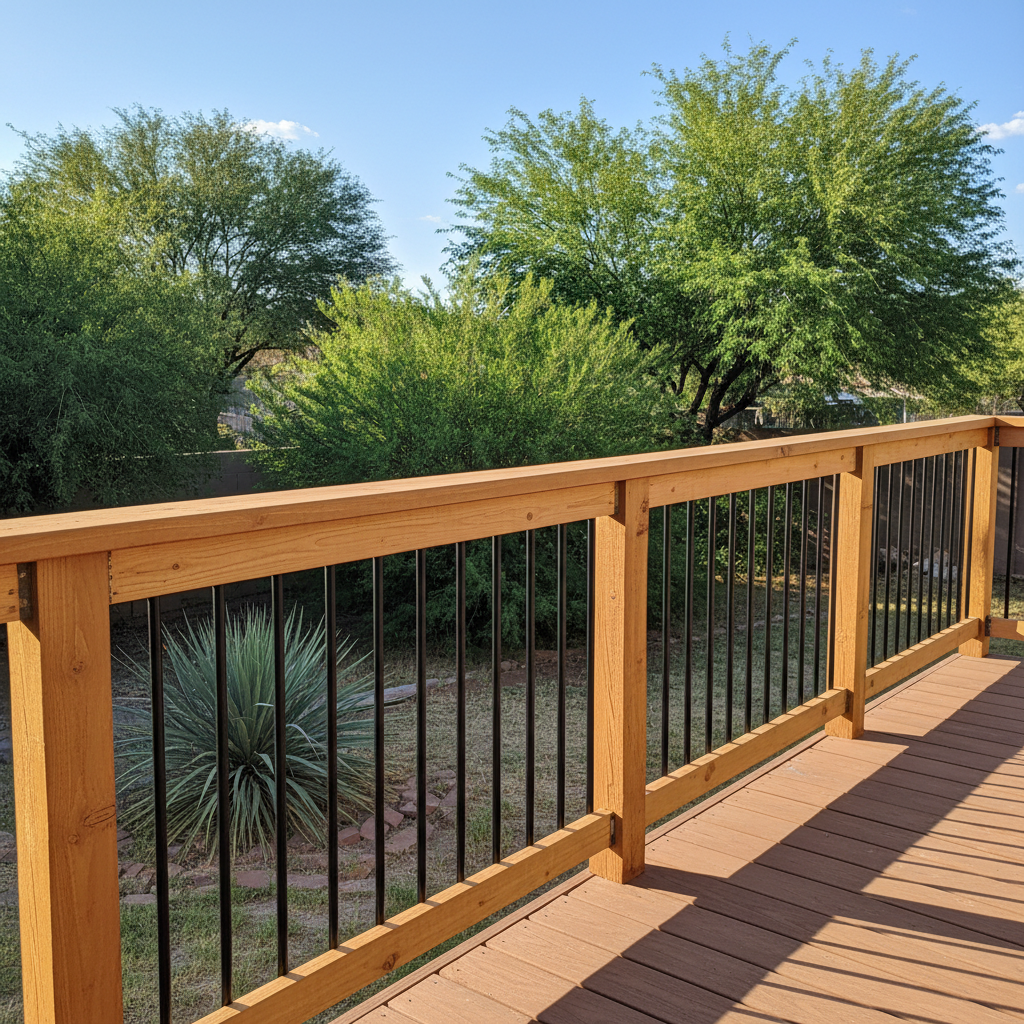
You just invested in a beautiful new deck railing system, maybe from us at Ace Deck Solutions, or perhaps you've had one for a while. Either way, you want it to last. And let me tell you, here in Tempe, our climate is no joke on outdoor structures. That intense sun, the dust, the occasional monsoon downpour – it all takes a toll. But with a little regular attention, you can significantly extend the life of your railings and keep them looking fantastic.
Regular Maintenance: Your First Line of Defense
Think of your deck railings like your car; they need routine checks. It's not complicated, but it is important. I recommend doing a quick visual inspection every couple of months, and then a more thorough check-up twice a year, maybe in the cooler months like fall and spring.
- Cleaning is Key: Dust and grime build up fast here, especially if you're near a busy road or in a neighborhood like Papago Vista. A simple wash with mild soap and water is usually all it takes. For wood railings, use a soft brush. For metal or composite, a cloth or sponge works great. Rinse thoroughly to prevent soap residue.
- Tighten Up: Over time, screws and bolts can loosen due to temperature fluctuations and general wear. Grab a screwdriver or wrench and give everything a gentle snugging. Don't overtighten, especially with wood, as you can strip the holes.
- Check for Splinters & Cracks (Wood): Our dry air can cause wood to shrink and crack. Look for any splinters that could be a hazard or small cracks that might let moisture in. Sanding down splinters and filling small cracks with exterior wood filler can prevent bigger problems.
- Inspect Finishes: Whether it's paint, stain, or a powder coat, the finish is what protects the material underneath. Look for peeling, fading, or bare spots.
Specifics for Different Materials
What your railing is made of dictates some of its specific needs.
- Wood Railings: These need the most love. You'll likely need to re-stain or repaint every 2-5 years, depending on sun exposure. Use a high-quality exterior product with UV inhibitors. Don't skip this; the sun will eat through unprotected wood faster than you can imagine. Look closely at the end grain on posts and balusters – that's where moisture tends to get in.
- Metal Railings (Aluminum, Steel): These are pretty low maintenance, which is why they're so popular. The main thing is to keep an eye on the powder coating. If you see any scratches or chips, touch them up with a compatible paint to prevent rust, especially on steel. Aluminum won't rust, but a damaged coating can still look bad and expose the raw metal.
- Composite Railings: These are designed for minimal upkeep. A good scrub with soap and water usually does the trick. Avoid abrasive cleaners that can scratch the surface.
Warning Signs You Shouldn't Ignore
Catching problems early saves you money and headaches. Here are some red flags:
- Wobbly Railings: If any part of your railing feels loose or wobbly when you push on it, that's a serious safety concern. Don't wait on this.
- Rot or Soft Spots (Wood): Probe any suspicious dark spots or discolored areas with a screwdriver. If the wood feels soft or crumbles, you've got rot.
- Rust (Metal): Any significant rust, especially if it's bubbling under the paint, means the protective coating has failed.
- Cracked Posts or Balusters: Structural cracks, not just hairline ones, can compromise the integrity of the railing.
- Pest Infestation: Termites love our climate. Look for mud tubes or tiny holes in wood.
When to Call a Professional
Look, I'm all for DIY, but some things are best left to the pros. If you see any of the serious warning signs I just mentioned – significant rot, widespread rust, or structural instability – it's time to call someone like us at Ace Deck Solutions. We can assess the damage, recommend repairs, or advise if a replacement is safer. Don't try to patch up a fundamentally unsafe railing; it's just not worth the risk to your family or guests.
Keeping your deck railings in top shape isn't just about aesthetics; it's about safety. A little proactive care goes a long way in ensuring your outdoor living space remains a secure and enjoyable spot for years, even under the relentless Arizona sun.