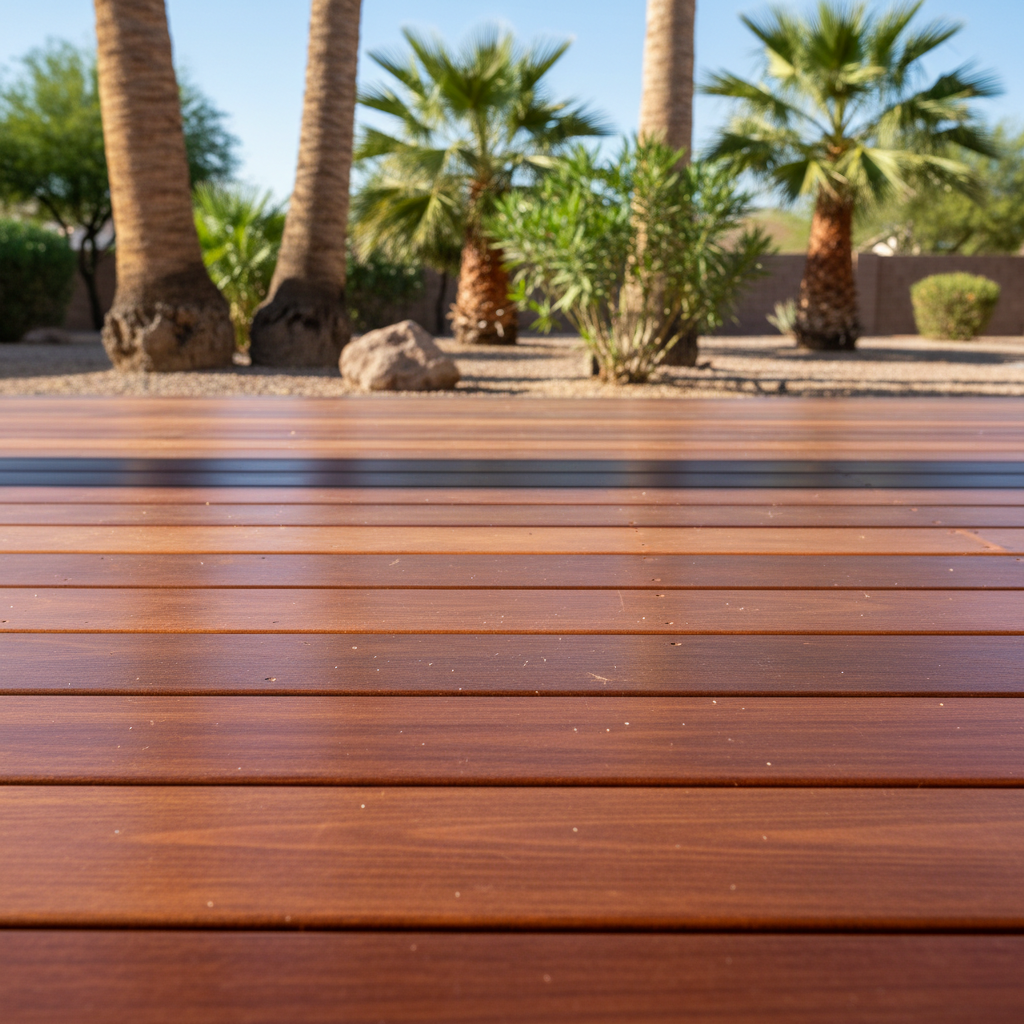
What kind of wood holds up best in Tempe's heat?
Honestly, this is probably the number one question I hear. Look, Tempe's sun is just brutal, isn't it? We're talking 115 degrees in the summer, and that kind of heat bakes everything. For wooden decks, you're usually looking at pressure-treated pine, cedar, redwood, or tropical hardwoods like Ipe or Tigerwood. Pressure-treated pine is the most common choice, and it's definitely the most budget-friendly. It's treated to resist rot and insects, which is great, but it still needs a good sealant to protect against UV damage and drying out. Cedar and redwood naturally fight off decay and insects; they look beautiful, too. But without proper sealing and maintenance, they'll gray out fast. Plus, they're softer woods, so they can dent or scratch easier. Tropical hardwoods? Those are the toughest. Ipe, for instance, is incredibly dense, naturally resistant to rot, insects, and even fire. It's like ironwood! It holds up amazingly well to our sun, but it's also the most expensive and harder to work with. For most folks, a well-maintained pressure-treated pine or cedar deck is a solid choice. But if you want something that'll last practically forever with minimal fuss, and you've got the budget, Ipe is king.
How often should I seal or stain my wooden deck here in the desert?
You're in Tempe, not Seattle, right? So you can't just seal it once and forget it for five years. Our sun and dry air are absolutely relentless. I generally tell homeowners to plan on resealing or restaining their wooden deck every 1-2 years. If your deck is fully exposed to the south or west sun all day, you might even need to do it annually. If it's under a patio cover or gets a lot of shade, you might be able to stretch it to two years. The key is to watch for signs of wear: fading color, water soaking into the wood instead of beading up, or the wood starting to look dry and splintery. Don't wait until it looks like some ancient desert relic before you act. A good quality oil-based sealant or stain with UV inhibitors will be your best friend out here. It penetrates the wood better and offers more protection against the sun's rays.
My deck boards are cracking and splintering. What's going on, and can I fix it?
This is a super common issue, especially with pressure-treated pine, and it's almost always due to our extreme dry heat and UV exposure. The wood dries out, shrinks, and then expands a little when it gets what little moisture it can, causing stress. Over time, that leads to cracks, checking (which are those small splits), and splintering. Can you fix it? Sometimes. For minor cracks and splinters, you can sand them down carefully. For deeper cracks, you might need to use a wood filler, but it's often a temporary fix, and it's hard to get it to match the wood perfectly. The best fix, really, is prevention through regular sealing. If the damage is widespread and severe, you might be looking at replacing individual boards or, in a worst-case scenario, the entire deck surface. That's where Ace Deck Solutions comes in, if you need a hand assessing the damage.
Are termites a big problem for wooden decks in Tempe?
You bet they are. We're in the desert, and termites love wood. Subterranean termites are especially prevalent around here, and they'll happily munch on any untreated or poorly maintained wood structure, including your deck. This is why pressure-treated lumber is so important for deck framing and joists — the chemicals in the treatment deter them. Even with treated wood, it's smart to keep an eye out. Look for mud tubes on posts or beams, or any other signs of damage. Keep wood-to-soil contact to a minimum, and make sure you don't have any leaky irrigation near your deck, as termites are attracted to moisture. Regular pest control treatments around your home can also help protect your deck.
How do I clean my wooden deck without damaging it?
Cleaning your deck is crucial before sealing or staining, or just to keep it looking good. For general cleaning, a good stiff brush, some deck cleaner (oxygen bleach-based cleaners are usually safe and effective), and a garden hose are often all you need. Mix the cleaner according to directions, apply it, let it sit for a bit (don't let it dry!), then scrub and rinse thoroughly. If you're thinking about pressure washing, be careful. A pressure washer can absolutely blast away dirt and grime, but it can also raise the wood grain, leave swirl marks, and even gouge the wood if you use too high a pressure or hold the nozzle too close. If you do use one, keep the pressure low (under 1500 PSI), use a wide fan tip (25-40 degrees), and keep the wand moving. Practice on an inconspicuous spot first. You're trying to clean, not strip the wood, after all.
My deck gets scorching hot in the summer. Any tips?
Welcome to Tempe in July! Yeah, wooden decks, especially darker stains, can get incredibly hot. Hot enough to burn bare feet, actually. There are a few things you can do. Lighter stains or sealants will absorb less heat than darker ones, so that's one option. Adding shade is probably the most effective solution. A pergola, a large umbrella, or even strategically planted trees (just make sure their roots won't interfere with the deck foundation) can make a huge difference. You could also consider outdoor rugs for high-traffic areas, though they'll get hot too. Misting systems can provide some temporary relief, but they also introduce moisture, which you need to manage carefully to prevent wood rot. Honestly, sometimes the best solution is just to wear sandals or enjoy the deck in the mornings and evenings during peak summer.
When should I consider replacing my wooden deck instead of just repairing it?
This is a tough call, and it often comes down to safety and cost. If you've got widespread rot, especially in the support posts, joists, or ledger board (that's the board attaching the deck to your house), you're looking at a serious safety issue. Rot on these structural components means the deck's integrity is compromised, and it's probably time for a replacement. If more than 25-30% of your deck boards are severely cracked, splintered beyond repair, or rotting, the cost of replacing individual boards might start approaching the cost of a new deck surface. Also, if your deck is really old – say, 20-25 years or more – even if it looks okay on the surface, the fasteners and underlying structure might be nearing the end of their lifespan. I've seen plenty of decks in older Tempe neighborhoods, like around the Papago Park area, that are pushing 30 years. It's always best to have a professional inspect it if you're unsure. We can give you an honest assessment of whether a repair will cut it or if it's time for a fresh start.